Reviewed · TOURS
The Silk Road tour of Kazakhstan
The most striking part of this two-day Silk Road tour is the way it links three very different old cities: Otrar’s excavated trading center, Turkestan’s grand mausoleum, and the lonely fortress ruins of Sauran. You also get time in Shymkent, including Ayna Bazaar, so the trip is not only about stones and dates on a sign.
I like the practical package: transport, accommodation, transfers, and entry fees are included. I also like the small maximum group of 12, plus an English-speaking guide who can explain the sites clearly. The main drawback is the pace. You cover a lot of ground in two days, and the long return transfer to Shymkent on the second day leaves less time for lingering.
Key points to know before booking
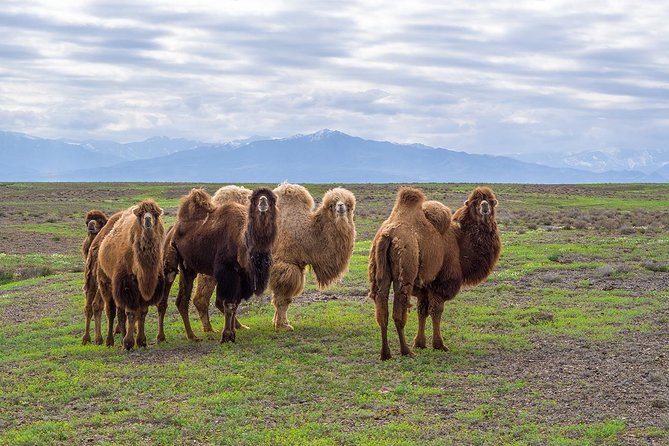
- Otrar gives you the clearest look at a Silk Road trading city, with excavated remains and a long story stretching from the 1st century BC into the 15th century AD.
- Turkestan’s Khoja Ahmed Yasawi Mausoleum is the grand centerpiece, and it is one of Kazakhstan’s UNESCO World Heritage sites.
- Sauran feels more remote and exposed, with fortress ruins that reward visitors who enjoy archaeology more than polished monuments.
- Ayna Bazaar adds everyday southern Kazakh life to a tour otherwise focused on ancient sites.
- The group maximum is 12 people, a useful middle ground between a private tour and a large coach outing.
- The $347 price includes major trip costs, but you should confirm the exact accommodation and transport arrangements before paying.
Why this route matters
Southern Kazakhstan was not a side road in the old Silk Road world. Otrar, Turkestan, and Sauran grew because people, goods, faiths, and ideas moved through this part of Central Asia. The cities gained wealth from trade, then faced the usual pressures of war, shifting routes, and changing political power.
That makes this tour useful for understanding Kazakhstan beyond its modern cities. You are not simply ticking off three ruins. You are seeing how commerce supported urban life, how religion shaped a major pilgrimage center, and how defensive walls protected an important settlement.
The route also gives you contrast. Shymkent is a living city with markets and modern activity. Otrar is an archaeological site. Turkestan has a major restored and preserved religious monument. Sauran is quieter and more skeletal, with the remains of a fortified city spread across open ground.
I would choose this trip if you want a compact introduction to southern Kazakhstan and do not want to arrange several separate transfers. It is especially useful if you are arriving in Shymkent by plane or train and want a guide to handle the regional connections.
Other Kazakhstan days people book alongside this one:
- Almaty: Charyn Canyon, Kolsay, and Kaindy Lakes Day Trip
★ 4.7 · 1,522 reviews - Kolsai, Kaindy Lakes and Charyn Canyon Small-Group Tour
★ 5.0 · 642 reviews - Almaty: Kolsai-Kaindy Lakes and Charyn Canyons Day Trip
★ 4.7 · 505 reviews
Starting in Shymkent and finding the southern rhythm
The tour begins with arrival in Shymkent in the morning by plane or train. The meeting time is listed as 10:00 am, so you should make sure your arrival schedule leaves room to collect your belongings and reach the meeting point without rushing.
Shymkent is Kazakhstan’s third-largest city by population. The city visit gives you a short introduction before the tour turns toward the older Silk Road centers. The scheduled city stop lasts about 30 minutes, which is enough for orientation but not enough for a full city tour.
That short timing is worth keeping in mind. You will get a taste of Shymkent rather than an exhaustive visit. If the city interests you, consider adding extra time before or after the tour. The included airport and hotel transfers make Shymkent a convenient base for doing so.
Ayna Bazaar: a useful break from ancient stones
Ayna Bazaar offers a different kind of history lesson. Southern Kazakhstan’s markets connect more directly with daily life than an excavation does. You can see local goods, browse the stalls, and get a feel for the trading culture that still shapes the region.
The stop is scheduled for about 30 minutes and admission is free. That makes it a quick introduction rather than a dedicated shopping session. You may find enough time to look around, but do not count on a long meal or an unhurried market wander.
I like having this stop early in the route. It keeps the day from becoming a parade of monuments, and it gives you a glimpse of the region as it is now. If you want to buy something, keep the short visit in mind and avoid planning a complicated purchase.
Otrar, where the Silk Road becomes visible
In the afternoon, the tour heads to the archaeological site of Otrar, also known as Farab. The city dates from the 1st century BC through the 15th century AD, a remarkably long span for one urban center.
Otrar was an important commercial oasis on the Great Silk Road. It also served as the capital of a major regional realm, which helps explain why the site mattered beyond local trade. Its position allowed merchants and officials to connect routes crossing southern Kazakhstan and Central Asia.
You have about two hours here, the longest stop on the first day. That is a sensible amount of time because archaeological sites require patience. You need time to look at the excavated traces, understand the shape of the old settlement, and listen as the guide explains what the remains once represented.
Do not expect a fully rebuilt medieval city. Otrar is valuable because of its excavations and visible remains, not because it recreates every street and building. Some visitors will find the open archaeological setting fascinating. Others may want more intact architecture.
The guide matters greatly here. An English-speaking guide can turn low walls and foundations into a readable city plan. One account of the guiding specifically praised the clear English and the way the guide explained both the scheduled sights and additional points of interest. No guide name is provided, so you cannot request a particular person in advance based on the available information.
The first day ends with accommodation included. The supplied details do not identify the hotel, room standard, or exact overnight location, so ask the operator for those specifics before booking if comfort or location is important to you.
Same base, a completely different day out:
- From Almaty: Kolsay, Kaindy Lakes and Charyn Canyon Day Trip
★ 4.6 · 452 reviews - Almaty: Kolsai Kaindy Lakes & Charyn Canyons 2-Day Tour
★ 4.8 · 432 reviews - Kolsai Kaindy Lakes with Charyn Canyons 2-day tour
★ 5.0 · 392 reviews - Kolsai Kaindy Lakes with Charyn Canyons Day Tour (lunch included)
★ 5.0 · 292 reviews
Turkestan and the Khoja Ahmed Yasawi Mausoleum
The second day begins with a visit to Turkestan and the Mausoleum of Khoja Ahmed Yasawi. This is the architectural high point of the tour and the site most likely to stay with you after the ruins begin to blend together.
The complex is associated with Khoja Ahmed Yasawi, an important religious figure, and is recognized as a UNESCO World Heritage site. The visit lasts about two hours, giving you time to see the main sights and hear the story behind the monument.
Turkestan’s importance is not only architectural. It became a major religious center, and the mausoleum gives the Silk Road story a spiritual dimension. Trade routes carried more than merchandise. They also carried religious traditions, languages, artistic ideas, and political influence.
This stop is a good reason to book the tour even if you are less interested in archaeology. The mausoleum provides a more complete and visually defined experience than the excavated sites. At the same time, the two-hour visit means the tour remains focused. You will not have a full day to explore every part of Turkestan.
The guide’s role again matters. The site has enough cultural and religious context that a bare walk around the building would miss much of its meaning. The English guiding is a strong practical feature for visitors who do not speak Kazakh or Russian.
Sauran, a fortress city with room to breathe
After Turkestan, you transfer to Sauran, an ancient city-fortress dating from the 12th to the 18th centuries. The site served as a strategic and trading city and was connected with the Ak Horde, a Kazakh-Mongol khanate. It also served as a capital from the 12th through the 16th centuries.
Sauran is scheduled for about one hour. That is enough to see the principal ruins and understand the fortified character of the settlement, but it is a short visit for a broad archaeological site. You will want to listen carefully to the guide and use your time well.
The appeal of Sauran is its sense of scale and separation from modern urban life. Its remains help you picture a city built for trade and defense, not just a monument created for ceremony. The ruins are less polished than Turkestan’s mausoleum, so your enjoyment will depend on how much you like reading history from fragments.
I would not choose Sauran as the sole reason for a trip if you want restored buildings or elaborate interiors. I would choose it as part of this route because it completes the story. Otrar shows the commercial oasis, Turkestan shows the religious center, and Sauran shows the fortified city.
The long return to Shymkent
The listed transfer back to Shymkent takes about five hours. This is the main practical cost of the second day. You will spend a large part of the day on the road after visiting Turkestan and Sauran.
Included transport makes the return easier than arranging it yourself, particularly if you do not know the regional roads or do not want to negotiate separate drivers. Still, you should prepare for a travel-heavy day. The schedule suits someone who values seeing several major sites more than someone who prefers slow mornings and long meals.
The return transfer also affects your onward plans. Do not book a tight evening connection unless the operator confirms the expected arrival time. The tour offers airport and hotel transfers, but the available details do not promise a precise drop-off time.
What the $347 price really buys you
At $347 per person, this is not a bare sightseeing outing. The price includes accommodation, transport, airport and hotel transfers, and entry fees. Those inclusions matter in southern Kazakhstan, where the sites are spread across a wide area and independent transport can take time to arrange.
You are also paying for a guide who can connect the places into one story. That is more valuable at Otrar and Sauran than it might be at a single famous monument. Without context, archaeological remains can be difficult to read.
The group limit of 12 improves the value. You are not paying private-tour prices, yet the group should remain small enough for questions and a more direct exchange with the guide. The exact vehicle type is not specified, so I would ask about luggage space and seating if you are arriving with larger bags.
Accommodation is included, but the hotel details are not supplied. Ask what level of hotel is used, where it is located, and whether meals are included. Meals are not listed among the included features, so budget separately for food.
Who will get the most from this trip
I recommend the tour for first-time visitors to southern Kazakhstan who want the main Silk Road sites without building a complicated route from scratch. It also suits history-minded visitors who like a mix of excavations, religious architecture, markets, and fortified ruins.
The tour is manageable for most people, and the activity information says most people can participate. It is near public transportation, and pickup is offered. Still, the schedule includes substantial road time and walking around archaeological sites, so you should be comfortable with a full sightseeing day.
You may want a different plan if you prefer a slow cultural stay in one city. This route covers Shymkent, Otrar, Turkestan, and Sauran in roughly two days. Its strength is range, not leisure.
Booking details that matter
Confirmation is normally provided at booking. If you book within one day of departure, confirmation arrives as soon as possible and depends on availability. That makes earlier booking the safer choice, especially because the tour requires a minimum number of participants.
Free cancellation is allowed up to 24 hours before the experience starts for a full refund. Changes or cancellations inside that 24-hour window are not accepted and are not refunded. The cut-off uses local time, so check the clock carefully if you are booking from another country.
The tour requires good weather. If poor weather causes cancellation, you are offered another date or a full refund. If the minimum number is not reached, you are offered another date or experience, or a full refund.
Should you book the Silk Road tour of Kazakhstan?
Book it if you want a well-organized introduction to the old Silk Road cities around Shymkent and value having transport, lodging, transfers, and entry fees handled together. The strongest parts are the two-hour visit to Otrar, the UNESCO-listed Khoja Ahmed Yasawi Mausoleum, and the chance to compare Sauran’s fortress ruins with the other sites.
Think twice if five hours in a vehicle on the second day sounds tiring or if you need a named hotel and precise transport details before booking. Ask those questions first. For the right person, the $347 cost is fair because the tour combines several distant places, a small group, and English-language guidance in one compact package.
FAQ
Where does the Silk Road tour of Kazakhstan begin?
It begins in Shymkent, with arrival by plane or train in the morning and a meeting with the guide. The listed start time is 10:00 am.
How long does the tour last?
The tour lasts approximately two days.
What places are visited?
The route includes Shymkent, Ayna Bazaar, the archaeological site of Otrar, the Mausoleum of Khoja Ahmed Yasawi in Turkestan, and the ruins of Sauran.
Is accommodation included?
Yes, accommodation is included in the tour price. The available details do not specify the hotel or room category.
Are airport and hotel transfers included?
Yes, airport and hotel transfers are included, along with transport between the tour stops.
Are admission fees included?
Yes, all entry fees are included. The Shymkent and Ayna Bazaar stops have no admission charge listed.
How large is the group?
The tour has a maximum of 12 travelers.
Can the tour be canceled for a full refund?
Yes. You can cancel up to 24 hours before the start time for a full refund. Cancellations made less than 24 hours before the start are not refunded.
What happens if bad weather or low enrollment cancels the tour?
If poor weather causes cancellation, you are offered a different date or a full refund. If the minimum number of participants is not reached, you are offered a different date or experience, or a full refund.
Just added around Kazakhstan
- Almaty : Must-See Private Walking tour★ 5.0 · 3 reviews
- The Old City Tour★ 5.0 · 3 reviews
- Almaty: Electric Bike Tour to Big Almaty Lake or Kok-Zhailau★ 3.7 · 3 reviews
- Almaty: Full Day City Tour with Lunch and Museum Tickets★ 4.6 · 3 reviews
- Astana Private Custom Walking Tour with A Local Guide★ 4.0 · 3 reviews
- City Pub Crawl Almaty★ 5.0 · 3 reviews
- Altyn Emel, Singing Dune, Charyn canyon, Kolsay, Kaindy lake 4 days tour★ 5.0 · 3 reviews
- Almaty Airport Transfer Mercedes V-Class★ 5.0 · 3 reviews
Tours, compared.
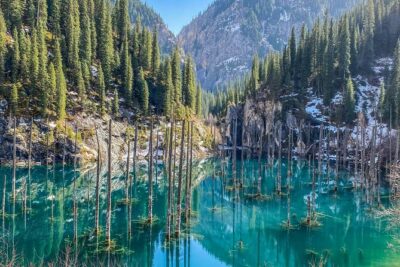
Kolsai, Kaindy Lakes and Charyn Canyon Small-Group Tour
Read our review →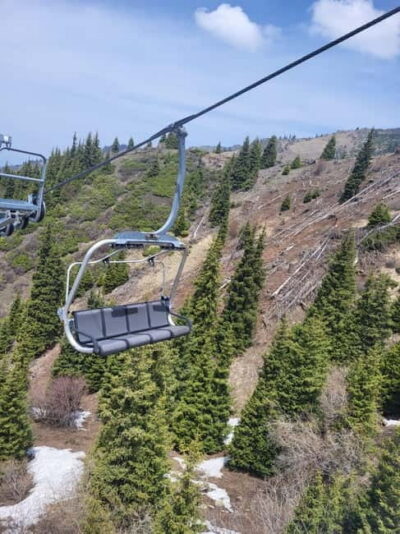

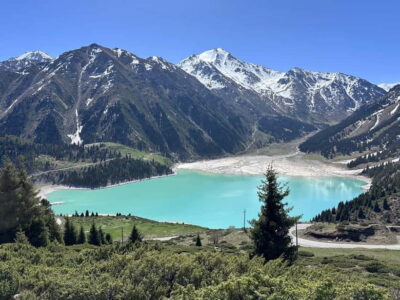
Almaty City: Big Almaty Lake Roundtrip Transfer and Tour
Read our review →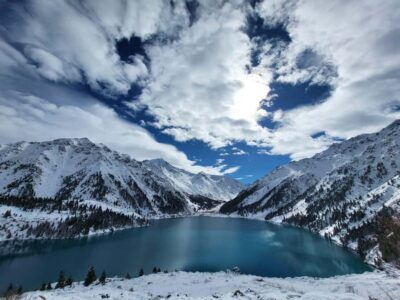
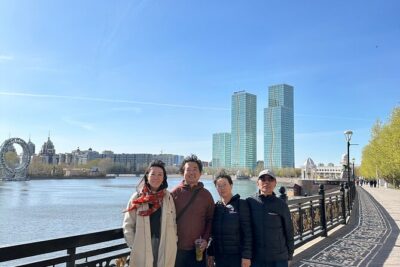
Astana City Tour: Private Full Day with Lunch and Comfort Pickup
Read our review →
Astana City Tour: Explore Night City with a Certified Guide
Read our review →